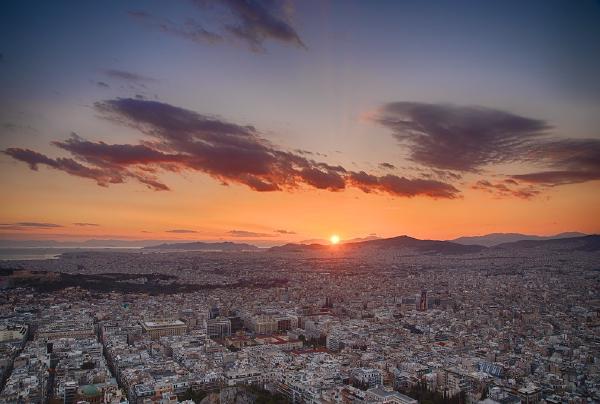
ℹ️ TL;DR: Autumn is the sweet spot for Athens in 2026. September (29°C highs, sea at 24-25°C) is still summer without the brutal heat. October (24°C, sea at 22°C) is the best all-round month: comfortable sightseeing, swimmable beaches, and hotel prices 20-35% below peak. November (19°C, some rain) is quiet, cheap, and perfect for museums. Book the Acropolis for early morning in September, catch a Cape Sounion sunset before the clocks change on October 25, and use the free-entry days on October 28 and November 1. Summer in Athens is loud, hot, and crowded. Winter is calm but grey some days. Autumn sits right in the middle, and a lot of people who know the city well (Athenians included) will tell you it’s the best time of the year.
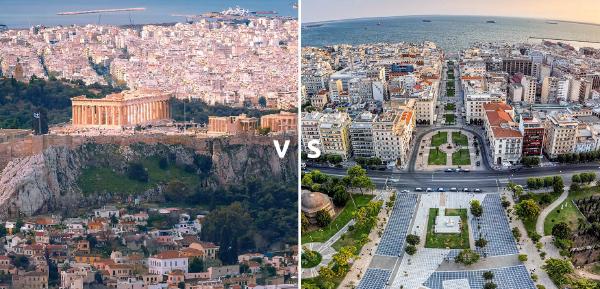
ℹ️ TL;DR: Athens vs Thessaloniki in 2026: Athens wins for ancient Greek history (Acropolis), beaches (30 min by tram), and global recognition. Thessaloniki wins for Byzantine heritage, food (locally considered Greece’s best), budget value (20-30% cheaper), and authentic atmosphere. Both in one trip is ideal — 55-min flight or 5-hour scenic train connects them. If you have to pick one as a first-time visitor to Greece, Athens; if you’ve done Athens, Thessaloniki. Here’s the thing most travel guides won’t tell you: Athens and Thessaloniki are not competing for the same traveler. They’re fundamentally different cities that happen to share a country, a language, and a love of grilled meat.
ℹ️ TL;DR: Athens is one of the safest European capitals for solo female travelers in 2026 — violent crime against tourists is very rare, the city center stays lively until midnight, and Greek culture is genuinely warm and social. Best base: Koukaki (quiet, well-lit, 5 minutes from the Acropolis). Budget €50-70/day. Join a food tour on Day 1 to go from solo to social instantly. I landed in Athens alone for the first time on a Tuesday evening in May. My flight was delayed, the taxi driver spoke zero English, and I had exactly one Greek phrase memorized: parakal (please). By the time I dropped my bag at the hotel in Koukaki, the neighborhood was alive — families eating dinner outside, couples walking their dogs past illuminated apartment blocks, the smell of grilled lamb drifting from a taverna two doors down.
ℹ️ TL;DR: Athens is one of Europe’s best digital nomad cities in 2026 — cost of living 30-50% below Western European capitals (furnished studio from €600-900/month, coworking from €100-200/month, meals from €8-12). Internet: 50-100 Mbps standard. Best nomad neighborhoods: Koukaki (residential and calm), Psyrri (creative and social), Exarchia (cheapest). Summer warning: July-August hits 35-40°C — plan your working hours around the heat. Athens wasn’t on the digital nomad radar five years ago. Lisbon, Bali, Chiang Mai — those were the defaults. But word got out, and for good reason: Athens has cheap rent, fast internet, incredible food, a walkable city center, and the kind of weather that makes working from a cafe terrace feel like a lifestyle upgrade rather than just a location change.
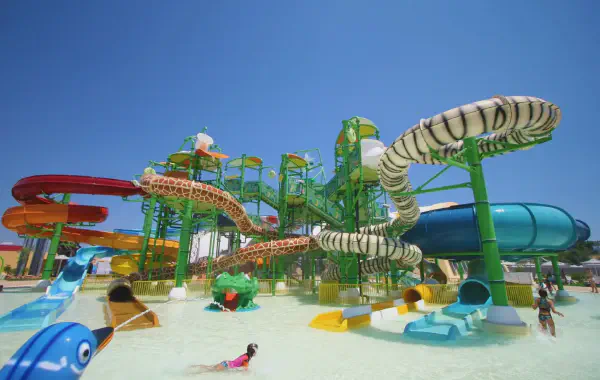
ℹ️ TL;DR: The best water park near Athens in 2026 is Aquapolis in Spata (near the airport) — 17 slides, €18+ online, open June-September, next to Attica Zoo for a combo family day. Closer to the city: Wet Park in Alimos offers inflatable water activities on the beach (€6.50/hour). Best for families with kids who’ve had enough ruins and need a cool-down. Most parks open June 1 and close in September. My kids lasted exactly three hours at the Acropolis in July before someone melted down. Not from boredom — from heat. The kind of heat where the marble walkways feel like a griddle and even the shade is warm.
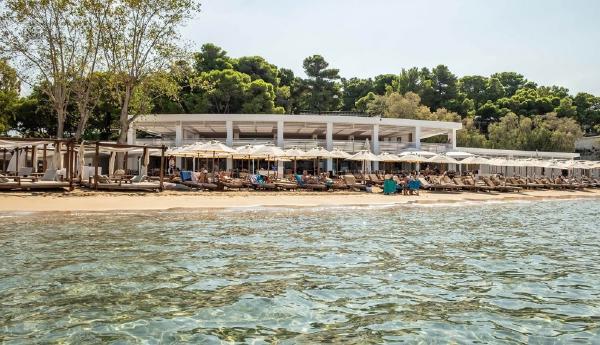
ℹ️ TL;DR: The best beach clubs near Athens in 2026: Astir Beach (Vouliagmeni, €30-60/person, luxury Four Seasons quality), Balux Café (Glyfada, minimum spend, upscale casual), Island (Varkiza, €20-40, best for nightlife). Budget-friendly: Asteria Glyfadas (€8-15, organized sunbeds). Tram to Glyfada takes 35 min from Syntagma (€1.20). Bus A2 or taxi for Vouliagmeni (45-55 min). The Athens Riviera has a beach club scene that most visitors don’t even know exists. While everyone crowds the Plaka restaurants and Acropolis viewpoints, a 30-minute tram ride south delivers you to a coastline dotted with loungers, cocktail bars, DJ sets, and water so clear you’d think you took a wrong turn to Mykonos.
ℹ️ TL;DR: Athens in summer 2026 is hot (31°C in June, 33°C in July-August) but absolutely doable with the right strategy: Acropolis at 8 AM opening before the heat builds, rest from 1-4 PM in air-conditioned museums or your hotel, then back out for evenings which are glorious. The beach is 35 minutes from central Athens by tram. June and September are the best summer-adjacent months — warm sea, smaller crowds. The first time you step out into Athens in summer, the city hits you all at once. The white stone throws the light back in your face. The air smells faintly of hot pine, dust, and sunscreen. By late morning, the marble around the Acropolis feels warm enough to radiate through your shoes, and by 2 PM even very confident travelers start hunting for shade like locals do.
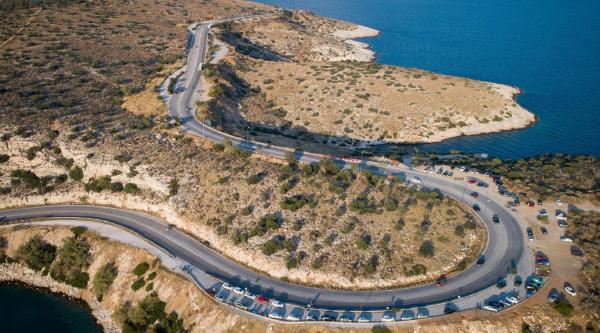
ℹ️ TL;DR: You don’t need a car in Athens city — the metro and taxis work well. But for day trips and the Peloponnese, a rental car is transformative. Expect €30-60/day for a compact car at Athens Airport (book 2-4 weeks ahead for best prices). Always take the full insurance excess waiver (€10-20/day extra — worth it). The Sounion coastal road and the Peloponnese highway are spectacular drives. I’ll be honest: you don’t need a car in Athens. The metro is excellent, taxis are cheap, and driving in the city center is a blood-pressure event. But once you want to leave Athens — to chase a sunset at Cape Sounion, explore the Peloponnese, or hit beaches that buses don’t reach — a rental car changes everything.
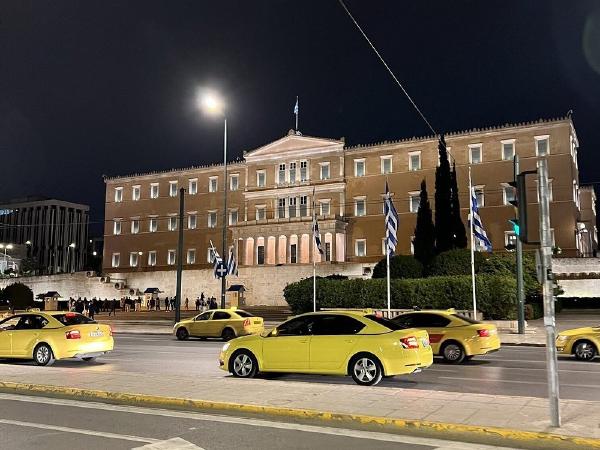
ℹ️ TL;DR: The best way to get a taxi in Athens in 2026 is Bolt or Uber — both work well, show the price upfront, and eliminate language barriers. Airport flat rate: €40 (day) or €55 (night) for licensed taxis; Bolt and Uber run €33-50. For short city rides, taxis cost €4-7 and are cheap. If hailing on the street, shout your destination as the cab slows — the driver will signal yes or no. The first time I tried to hail a taxi in Athens, I stood on the sidewalk for ten minutes while occupied cabs blew past me. The empty ones? They slowed down, I said my destination, and two of them drove away without a word. Welcome to Athens.
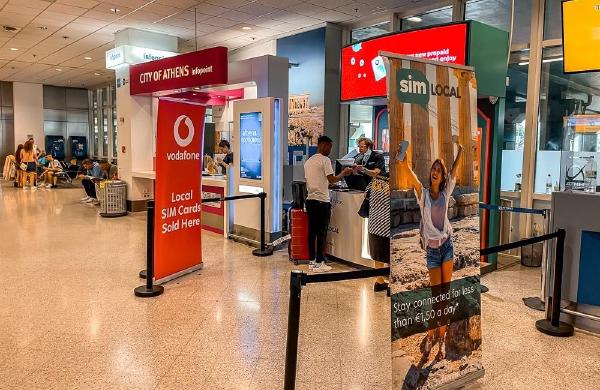
ℹ️ TL;DR: The easiest way to get data in Greece in 2026 is an eSIM from Airalo or Holafly — install before you fly, activate on landing, 5-10 GB for €5-15. EU travelers get free roaming with their home plan. For longer stays, buy a physical Cosmote or Vodafone SIM at Athens Airport (€10-20 for 5-15 GB, passport required). Mobile coverage in Athens and main tourist areas is excellent (4G/5G). I landed in Athens at midnight on my first trip, exhausted, with no data on my phone. Couldn’t pull up my hotel address, couldn’t check if the airport bus was still running, couldn’t message anyone. I ended up paying a taxi driver whatever he asked because I had no way to verify the fare. Never again.
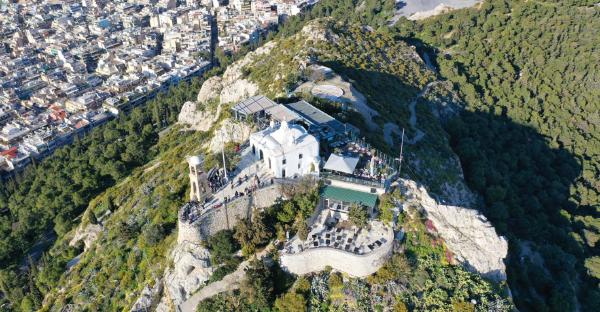
ℹ️ TL;DR: Athens is more outdoorsy than its reputation suggests in 2026. Best free activities: hike Lycabettus Hill (30 min, panoramic city views), sunset at Filopappos Hill (direct Acropolis view), and swim at Athens Riviera beaches (35 min by tram). For active paid experiences: kayaking at Cape Sounion, e-bike tours through the ancient sites, and sailing day trips to the Saronic islands. Most people think of Athens as an ancient-ruins-and-tavernas city. They’re not wrong, but they’re missing something. Athens is hemmed in by hills to the north and coastline to the south, which means you can hike to a panoramic viewpoint, swim in the Aegean, and eat souvlaki on a rooftop all in the same day — without ever needing a car.
ℹ️ TL;DR: Greek Orthodox Easter 2026 falls on April 12 (Holy Week: April 6-12). The two unmissable events: the Epitaphios candlelit procession on Good Friday (April 10) through Athens streets, and the midnight Resurrection service (April 11, just before midnight) which erupts in fireworks and bells. Most shops and museums close Easter Sunday. Athens is an excellent place to experience Holy Week — smaller villages add communal warmth if you can combine both. Greek Easter is not like any Easter you have experienced before. Forget chocolate eggs and Sunday brunch. This is a week-long build-up of fasting, candlelit processions through darkened streets, a midnight Resurrection service that erupts in fireworks and church bells, and then a Sunday feast centered around a whole lamb turning slowly on a spit while families gather on balconies and in parks across the city.