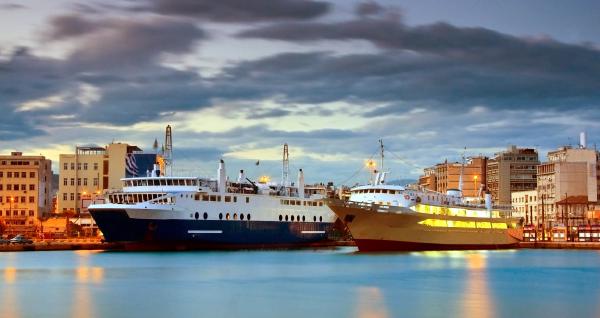
Athens sits at the center of the Greek ferry network like a hub with a hundred spokes. Piraeus and Rafina — the two main ports — connect you to dozens of islands across the Aegean, and once you’re out there, the islands connect to each other. That’s the magic of island hopping in Greece: you’re not booking a single destination. You’re building a route.
The problem is that nobody tells you how to actually plan one. You get vague blog posts that say “visit the Cyclades!” and a few Instagram reels, but no one sits down and explains the ferries, the routes, the timing, and the money. That’s what this guide is for. Whether you have five days or two weeks, whether you want quiet villages or party beaches, here’s how to build an island hopping trip from Athens that actually works.
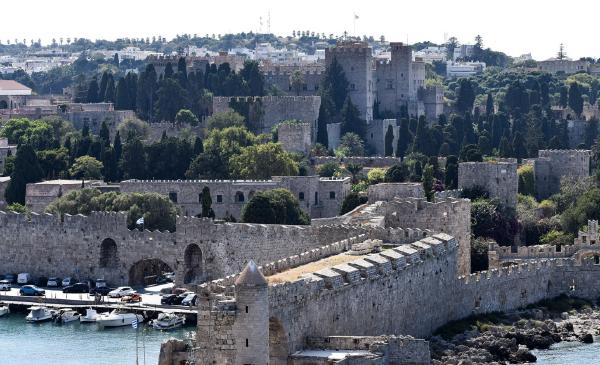
Rhodes is a long way from Athens. That’s the first thing to know — roughly 430 kilometers southeast, nearly at the Turkish coast, sitting at the far end of the Dodecanese chain like a full stop at the end of a sentence. It’s the kind of distance that makes the ferry-vs-flight question feel less like a preference and more like a genuine logistical decision.
But people have been making this trip for thousands of years, and in 2026 the options are solid. You can fly in under an hour or take an overnight ferry and wake up in the Aegean. Both routes work. The right one depends on how you travel, what you value, and whether the idea of sleeping on a boat sounds romantic or miserable to you.
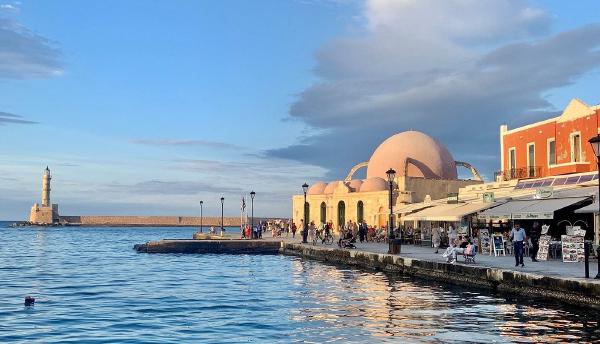
Crete is Greece’s largest island and it doesn’t feel like an island at all. It feels like a small country. Mountain gorges, Minoan palaces 4,000 years old, beaches that look photoshopped, and a food culture that puts most of mainland Greece to shame. The Cretans have their own accent, their own cheese, their own spirit (raki — they’ll pour you one whether you ask or not), and a fierce pride that makes sense the moment you arrive.
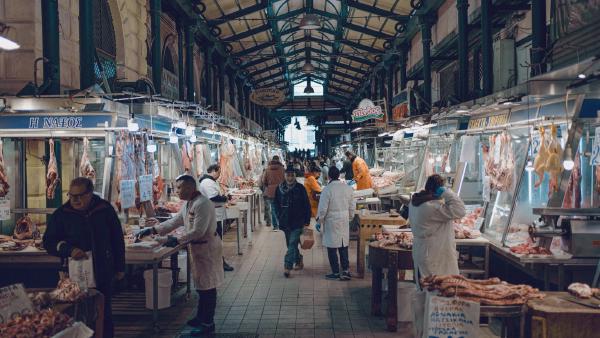
The smell hits you first. Not unpleasant — more like a wall of olive oil, dried oregano, fresh fish, and raw meat all mingling together in a building that’s been doing exactly this since 1886. That’s Varvakeios, Athens’ Central Market, and walking through it for the first time made me realize how disconnected I’d become from where food actually comes from.
Athens doesn’t hide its food culture behind glass counters and artful plating. It throws it at you — carcasses hanging on hooks, fishmongers shouting prices, grandmothers squeezing tomatoes with the intensity of a wine critic at a blind tasting. The markets here aren’t tourist attractions (though they should be on every visitor’s list). They’re how this city has fed itself for over a century.
Here’s what nobody told me before my first Athens trip: this city didn’t really do brunch five years ago. Weekends meant a freddo cappuccino and maybe a koulouri from a street cart. Then something shifted — a wave of Melbourne-inspired cafes, a couple of New York expats, and a generation of Athenians who decided that eggs Benedict and a €6 bloody mary on a Sunday sounds pretty excellent.
Now Athens has a brunch scene that rivals cities three times its size, and the best part is that prices haven’t caught up. You can eat a full brunch spread for €12-18 in neighborhoods where the same meal would cost €35 in London or Brooklyn.
The first time I ordered fish in Athens, I made every mistake possible. I sat down at a tourist restaurant near Monastiraki, pointed at something on the menu, and got a plate of frozen, overcooked sea bream that could have come from anywhere. The bill was €38 for a single fish. I still think about it with a small amount of rage.
Then a Greek friend took me to a tiny taverna in Piraeus — no English menu, fish displayed on ice at the entrance, old men arguing over backgammon in the corner. She ordered grilled red mullet and a plate of fried calamari that had been swimming that morning. Total for two: €32. That was the moment I understood what seafood in Athens is supposed to be.
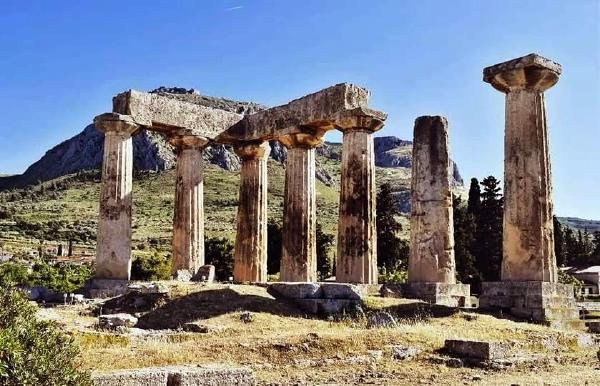
I wasn’t expecting much from Ancient Corinth. Honestly, I’d driven past it twice before on the way to Nafplio and never bothered stopping. “It’s just some Roman columns,” a friend told me. “You’ve already seen the Acropolis — what’s the point?”
Then I finally pulled over, bought a ticket, walked past the Temple of Apollo, and spent the next four hours wandering through ruins I couldn’t believe I’d been skipping. The agora where St. Paul was dragged before the Roman governor. The underground spring that’s been flowing for 2,600 years. And above it all, Acrocorinth — a fortress so massive it feels like it belongs in a different century on every level.
The first time I walked into Nafplio’s old town, I thought I’d accidentally left Greece and ended up in Italy. Narrow streets lined with bougainvillea, Venetian balconies dripping with iron lacework, a fortress on every hill. Then a yiayia handed me a bag of loukoumades from a corner shop and I remembered exactly where I was.
Nafplio is the town that makes every visitor say, “Wait — why don’t more people know about this?” It was Greece’s first capital, before Athens took the title in 1834, and it still carries itself with quiet confidence. Where Athens is big and loud and ancient, Nafplio is intimate, romantic, and layered — Venetian, Ottoman, and Greek all at once.
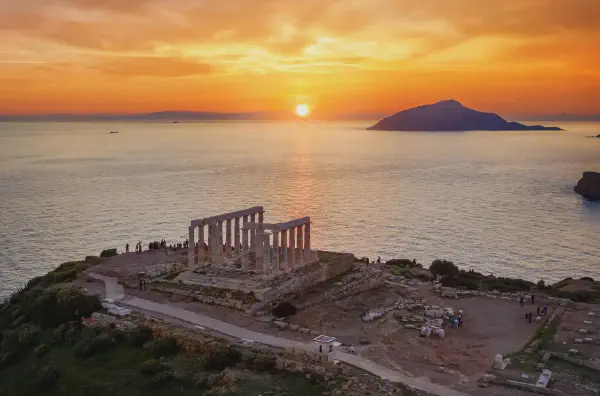
There’s a moment at Cape Sounion — right around 7:30 in the evening in summer — when the sun hits the marble columns of the Temple of Poseidon and the whole thing glows amber against a deep blue sea. Nobody talks. Everyone just watches. I’ve seen it three times now and I still get chills.
A Cape Sounion day trip from Athens is one of the easiest and most rewarding half-day excursions you can make. It’s only 70 km from the city center, the coastal drive is stunning, and the payoff — an ancient temple on a cliff 60 meters above the Aegean — is the kind of thing that makes Greece feel like Greece.
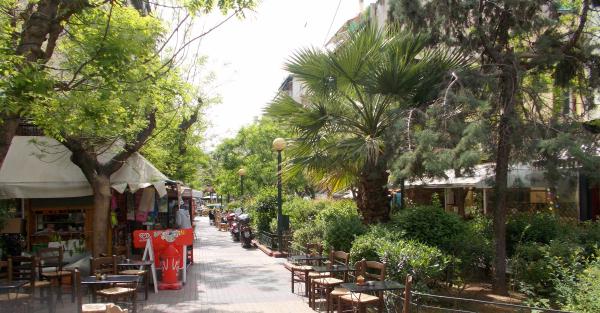
Koukaki is the Athens neighborhood I recommend most often to people who want to stay close to the Acropolis without feeling trapped inside a postcard version of the city.
You can walk to the Acropolis Museum in minutes, climb Filopappou Hill for sunset, and still eat dinner in a place where the table next to you is more likely to be local couples than tour groups. It isn’t undiscovered anymore, and parts of it blur into Makrigianni and the Acropolis zone, but Koukaki still feels calmer, more residential, and better value than Plaka.
Big chain hotels make practical sense in Athens. Boutique hotels make emotional sense.
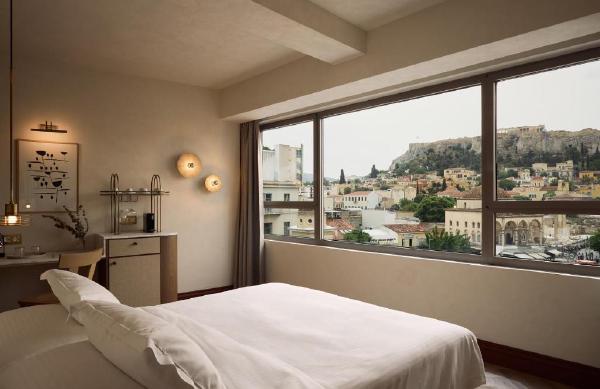
That matters more here than in most cities. Athens is a place of rooftop breakfasts, narrow old streets, corner bakeries, and evenings that begin with the Acropolis glowing above the skyline. If you’re staying in the center, the hotel isn’t just somewhere to sleep between sightseeing blocks. It shapes how the city feels.
After comparing the strongest small hotels across Plaka, Monastiraki, Koukaki, and central Athens, these are the best boutique hotels in Athens right now if you want style, location, and service without drifting into generic luxury.
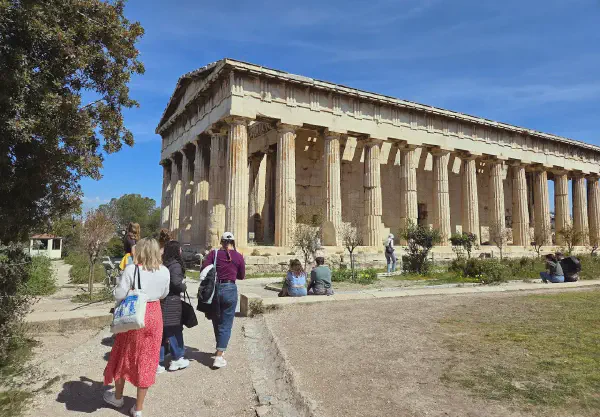
The Ancient Agora is the part of Athens that tends to surprise people. Everyone arrives obsessed with the Acropolis, and fair enough, but the Agora is where the city starts to feel human instead of monumental. This is where Athenians traded, argued, voted, gossiped, worshipped, and tried to invent democracy while wearing sandals.
And unlike some archaeological sites that demand a lot of imagination, this one still gives you real architectural payoff: the Temple of Hephaestus is stunningly intact, the Stoa of Attalos has been reconstructed with unusual confidence, and the museum inside helps the whole place make sense.