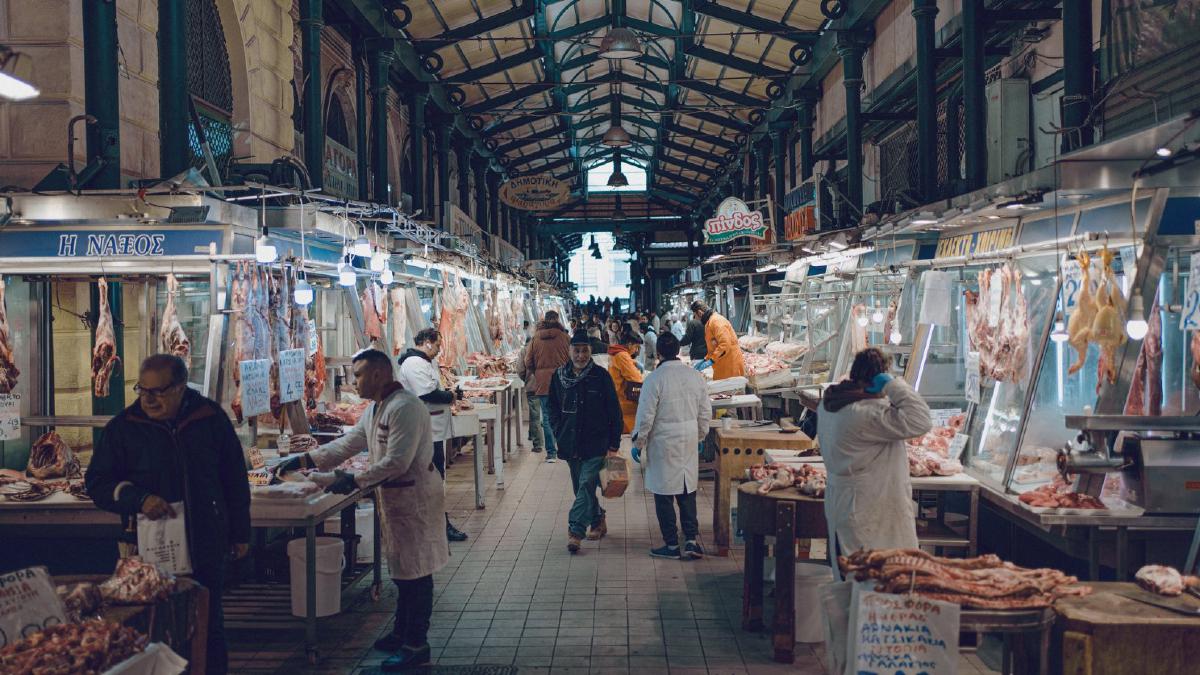
The smell hits you first. Not unpleasant — more like a wall of olive oil, dried oregano, fresh fish, and raw meat all mingling together in a building that’s been doing exactly this since 1886. That’s Varvakeios, Athens’ Central Market, and walking through it for the first time made me realize how disconnected I’d become from where food actually comes from.
Athens doesn’t hide its food culture behind glass counters and artful plating. It throws it at you — carcasses hanging on hooks, fishmongers shouting prices, grandmothers squeezing tomatoes with the intensity of a wine critic at a blind tasting. The markets here aren’t tourist attractions (though they should be on every visitor’s list). They’re how this city has fed itself for over a century.
Here’s everything you need to know about Athens’ food markets — what to see, what to buy, how not to embarrass yourself, and the food tours that tie it all together.
Varvakeios: Athens Central Market#
What It Is#
Varvakeios (Βαρβάκειος) is the beating heart of Athens’ food trade. A massive 19th-century market hall on Athinas Street, right between Syntagma and Omonia, it’s split into three main sections: the meat hall, the fish hall, and the surrounding streets packed with produce vendors. This is not a curated “market experience” — it’s a working wholesale and retail market where restaurants, tavernas, and home cooks have been shopping since 1886.
The Meat Hall#
The central building houses the meat market, and there’s no polite way to say this: it’s intense. Whole lamb carcasses hang from ceiling hooks. Goat heads sit on counters. Butchers in stained aprons wield cleavers with casual expertise. If you’re squeamish about where meat comes from, this will either cure you or confirm your vegetarianism.
But it’s also fascinating. The cuts are different from what you’ll find in Northern Europe or the US — Greeks use every part of the animal, and the butchers can break down a lamb into thirty different cuts while explaining what each one is for.
What to buy: Lamb chops, fresh sausages (loukaniko), and if you’re cooking, ask for “arni kleftiko” cut — they’ll know exactly what you need.
The Fish Hall#
The fish market flanks the meat hall and is best visited early morning when the catch is fresh. Shimmering sea bream, octopus, sardines, red mullet — the Mediterranean laid out on ice. Even if you’re not buying, watching the fishmongers work is a show in itself. They fillet, scale, and gut with a speed that borders on performance art.
What to buy: Fresh sardines (dirt cheap, incredible when grilled), octopus, and sea bream if you have cooking access.
The Surrounding Streets#
Step outside the main hall and the streets along Athinas and Evripidou are lined with produce stalls, spice shops, olive vendors, and dried goods stores. This is where things get exciting for food lovers:
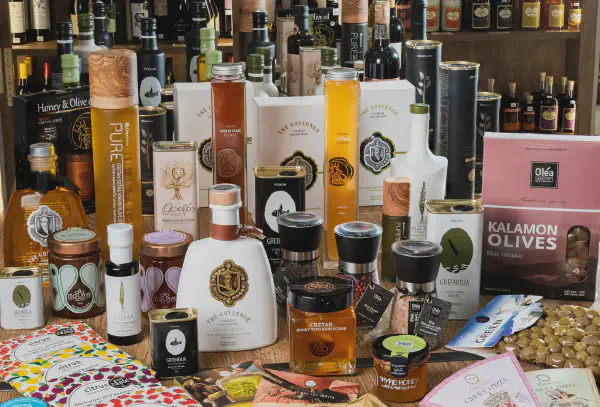
- Olives — Dozens of varieties in barrels. Try before you buy. The wrinkled black Throuba olives from Thassos are worth seeking out.
- Spices — Saffron (Greek krokos from Kozani is world-class), dried oregano, sumac, and chili flakes at a fraction of supermarket prices.
- Cheese — Feta by the kilo, graviera, metsovone. The cheese shops will let you taste everything.
- Honey — Thyme honey from the Peloponnese, pine honey from Northern Greece. Bring some home.
- Dried herbs — Mountain tea (tsai tou vounou) makes a great lightweight souvenir.
Hours: Monday to Saturday, roughly 7:00 AM - 6:00 PM. Closed Sundays. Best visited before noon.
Getting there: Walk down Athinas Street from Monastiraki metro (5 minutes) or Omonia metro (3 minutes). You can’t miss it — just follow the noise and the smell.
Monastiraki Flea Market#
Food Market vs. Flea Market#
Let me clear up a common confusion: the Monastiraki Flea Market is not a food market. It’s an antiques, vintage, and general goods market centered around Avyssinia Square and the streets fanning out from Monastiraki metro. You’ll find old records, brass lamps, leather sandals, and questionable “antiques” — but not much food.
That said, the surrounding area has some of Athens’ best street food and the flea market atmosphere makes for a fantastic morning of browsing followed by eating. It’s especially good paired with a visit to nearby Varvakeios.
What to See#
- Avyssinia Square — The heart of the flea market, surrounded by antique shops and small tavernas. The square itself fills with vendors on Sundays.
- Sunday Market — The big day. Surrounding streets overflow with stalls selling everything from vintage cameras to old coins. Arrive by 10:00 AM to see it at its best.
- Permanent shops — The antique shops along Ifestou and Adrianou streets are open daily and have more curated (and pricier) selections.
Hours: Shops open daily 10:00 AM - 7:00 PM roughly. Sunday flea market starts around 8:00 AM and winds down by 2:00 PM.
Getting there: Monastiraki metro, exit toward the square. See our Monastiraki neighborhood guide for more on the area.
Laiki Agora: Neighborhood Street Markets#
The laiki (λαϊκή αγορά) are Athens’ weekly neighborhood farmers’ markets — temporary street markets that pop up in different neighborhoods on different days. Rows of stalls selling seasonal fruit, vegetables, cheese, olives, honey, and eggs at prices that make supermarkets look like highway robbery.
This is where everyday Athenians actually buy their groceries, and it’s the most authentic market experience you can have in the city. No tourists, no English menus, just yiayia (grandmothers) arguing about the price of tomatoes.
When and Where#
Every neighborhood has its own laiki on a specific day. Some popular ones for visitors:
| Day | Neighborhood | Location |
|---|---|---|
| Tuesday | Laiki Agora Pagkrati | Arcadia Street |
| Wednesday | Laiki Agora Petralona | Thiseos Street |
| Friday | Laiki Agora Kolonaki | Xenokratous Street |
| Saturday | Laiki Agora Exarchia | Kallidromiou Street |
Hours: Typically 7:00 AM - 2:00 PM. Best selection before 10:00 AM. Bargains after noon when vendors want to clear stock.
What to buy: Seasonal fruit (Greek strawberries in spring are incredible), vine tomatoes, fresh herbs, mountain tea, local honey, and olives. Bring a reusable bag — the plastic bag situation is… abundant.
Piraeus Fish Market#
If you’re a seafood fanatic and don’t mind a short trip, the Piraeus fish market is worth the metro ride. Piraeus is Athens’ port city (and where you catch ferries to the islands), and its fish market is even more impressive than Varvakeios — larger, louder, and with a wider selection fresh off the boats.
Best for: Serious seafood buyers, photography, and experiencing the working port atmosphere.
Hours: Monday to Saturday, early morning to early afternoon. Go before 9:00 AM for peak action.
Getting there: Piraeus metro (Line 1, green line) — about 25 minutes from Monastiraki. The market is a 5-minute walk from the station.
Athens Market Etiquette and Tips#
A few things I learned the hard way so you don’t have to:
Ask before you touch. Vendors at Varvakeios are friendly, but they choose the produce. Point and ask — don’t rummage through their carefully arranged tomato pyramids.
Bring cash. Most market vendors are cash-only, especially at Varvakeios and laiki markets. There are ATMs nearby but they charge fees.
Try before you buy. Olive vendors, cheese shops, and honey sellers will let you taste. This is expected and encouraged. Just don’t taste from ten stalls and buy from none.
Bring bags. Vendors usually have plastic bags, but bringing your own tote is appreciated and more practical.
Go early. The best produce, freshest fish, and most lively atmosphere are all before 10:00 AM. By early afternoon, many stalls are packing up.
Learn a few words. “Poso kanei?” (How much?) and “Efharisto” (Thank you) go a long way. Market vendors appreciate any effort at Greek.
What to Cook After Your Market Visit#
If you’re staying somewhere with a kitchen, a market visit is the perfect excuse to cook Greek. Some ideas with market-fresh ingredients:
- Greek salad — Vine tomatoes, cucumber, block feta, olives, oregano, olive oil. The simplest recipe that tastes completely different with market-fresh ingredients.
- Grilled sardines — Fresh from the fish hall, gutted and scaled (ask the fishmonger), seasoned with salt, lemon, olive oil. Five minutes on a grill.
- Strapatsada — Scrambled eggs slow-cooked with fresh tomatoes and feta. The perfect use for those perfect market tomatoes.
Food Tours That Include Market Visits#
If you’d rather have a guide than navigate the markets solo, a food tour is an excellent option. The best Athens food tours include Varvakeios as a stop and pair it with tastings at surrounding shops, bakeries, and tavernas.
We’ve reviewed the top options in our best Athens food tours guide — most tours run 3-4 hours, cost €60-90 per person, and include enough tastings to replace lunch.
Frequently Asked Questions#
Is the Athens Central Market (Varvakeios) worth visiting as a tourist?#
Absolutely. Even if you don’t buy anything, Varvakeios is one of the most authentic experiences in Athens. It’s a working market, not a tourist attraction, which is exactly why it’s so interesting. Plan 30-60 minutes, go in the morning, and follow it with a coffee on Athinas Street.
What days are the Athens markets open?#
Varvakeios is open Monday to Saturday (7:00 AM - 6:00 PM, closed Sundays). The Monastiraki Flea Market is best on Sundays but shops are open daily. Laiki neighborhood markets run on specific days depending on the area — check the table above for the most visitor-friendly options.
Can I eat at the Athens Central Market?#
Not inside the main market hall (it’s a raw food market), but several small restaurants and tavernas surround Varvakeios. They buy their ingredients from the market daily — which means the food is as fresh as it gets. Look for the spots packed with market workers at lunch.
Are the markets safe for tourists?#
Yes. Varvakeios, the flea market, and laiki markets are all safe and welcoming. Standard city awareness applies — watch your belongings in crowds, especially at the busy Sunday flea market. The meat and fish halls can feel overwhelming if you’re not used to open-air butchery, but nobody will hassle you.
How do I get to the Athens Central Market?#
Walk down Athinas Street from either Monastiraki metro (5 minutes south) or Omonia metro (3 minutes north). The market building spans the block between Athinas and Sofokleous streets. You’ll smell it before you see it.