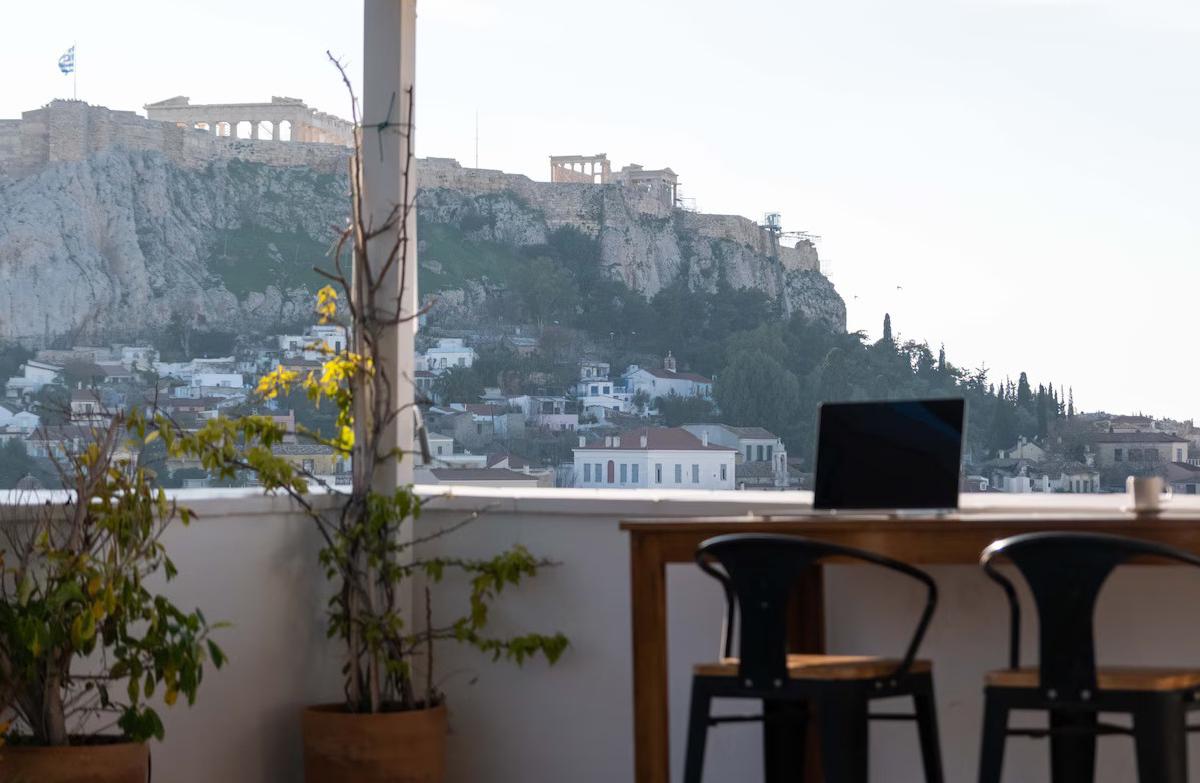
Athens wasn’t on the digital nomad radar five years ago. Lisbon, Bali, Chiang Mai — those were the defaults. But word got out, and for good reason: Athens has cheap rent, fast internet, incredible food, a walkable city center, and the kind of weather that makes working from a cafe terrace feel like a lifestyle upgrade rather than just a location change.
I’ve spent extended stretches working remotely from Athens, and it’s become one of my favorite places to set up for a month or three. The pace is right — busy enough to feel connected, slow enough that nobody expects you to rush. And the coffee culture here isn’t just good, it’s practically a religion.
Here’s everything you need to know about making Athens work as a digital nomad base.
Why Athens Works for Remote Workers#
Let’s get the selling points out of the way:
- Cost of living is 30-50% lower than Western European capitals
- Internet speeds average 50-100 Mbps, with many cafes and coworking spaces offering faster
- Weather gives you 250+ sunny days per year — even winter is mild by northern European standards
- Direct flights to most European cities in 2-4 hours
- Food scene rivals cities twice its price point
- English is widely spoken, especially among younger Athenians
- Safety — Athens is a safe city, especially in the neighborhoods where nomads tend to settle
- Greek islands are a weekend ferry away when you need a recharge
The downsides? Summers are hot (35-40°C in July-August), bureaucracy is famously slow, and the nightlife can wreck your productivity if you’re not careful.
Cost of Living Breakdown#
Here’s what a typical month looks like for a digital nomad in Athens (2026 figures, mid-range lifestyle):
| Category | Monthly Cost |
|---|---|
| Rent (1-bedroom apartment, central) | €500-800 |
| Rent (1-bedroom, slightly outside center) | €400-600 |
| Coworking space | €100-200 |
| Groceries | €200-300 |
| Eating out (mix of tavernas and cafes) | €200-350 |
| Coffee (daily cafe habit) | €60-90 |
| Metro/transport | €30-50 |
| Mobile data (Cosmote SIM) | €15-20 |
| Utilities (electricity, water, internet) | €80-120 (often included in short-term rentals) |
| Entertainment & social | €100-200 |
| Total estimate | €1,300-2,200/month |
That’s a comfortable life in a European capital. You can go lower if you cook more and skip the coworking space. You can also go higher if you want a nicer apartment in Kolonaki or eat out every night.
Compared to other nomad hubs:
- Athens is cheaper than Lisbon, Barcelona, or Berlin
- Roughly on par with Budapest or Split
- More expensive than Tbilisi or Southeast Asian cities, but you get EU infrastructure and stability
For long-stay accommodation, search Athens monthly rentals on Booking.com — filter by “apartment” and “long stay” to find furnished places with kitchens. Airbnb is also an option, but Booking.com often has better cancellation policies for longer stays.
Best Neighborhoods for Digital Nomads#
Not all of Athens is equally suited for remote work. Here’s where nomads actually end up — and why.
Koukaki#
Best for: The sweet spot of price, vibe, and location.
A quiet, residential neighborhood at the foot of the Acropolis with excellent cafes, local tavernas, and a ten-minute walk to the center. Rents are reasonable and the streets are calm enough to focus during the day. This is where I’d recommend starting if it’s your first time in Athens.
Monthly rent: €500-700 for a furnished 1-bedroom
Read more in our Koukaki neighborhood guide.
Pangrati#
Best for: Those who want a local, non-touristy feel.
East of the center, Pangrati is a proper Athenian neighborhood with a great food market, local bakeries, and a park (the Panathenaic Stadium is right there). Fewer tourists, more everyday Athens. Good cafe-working options and slightly lower rents than Koukaki.
Monthly rent: €450-650 for a furnished 1-bedroom
Kolonaki#
Best for: Those who want a polished, upscale feel.
Athens’ chic neighborhood, full of boutiques, galleries, and excellent cafes. Higher rents but beautiful streets and the best cafe-work scene in the city. Lycabettus Hill is right there for afternoon breaks.
Monthly rent: €700-1,000 for a furnished 1-bedroom
Check our Kolonaki neighborhood guide for the full rundown.
Exarcheia#
Best for: Budget nomads, creatives, and people who like grit.
Athens’ anarchist/alternative neighborhood has the cheapest rents in the center, a vibrant street art scene, and some of the best value food in the city. It’s rawer and louder than Koukaki or Pangrati, but it has character. Excellent cafes for working, too.
Monthly rent: €350-550 for a furnished 1-bedroom
Psirri / Monastiraki#
Best for: Social nomads who want to be in the middle of everything.
Central, walkable, and surrounded by nightlife, restaurants, and the energy of downtown Athens. The downside: it’s noisy, touristy, and you’ll be tempted to go out instead of working. Great for a first week, less ideal for deep focus.
Monthly rent: €550-800 for a furnished 1-bedroom
See our Psirri neighborhood guide and Monastiraki guide for more.
For a broader view of all neighborhoods, read our where to stay in Athens guide.
Top Coworking Spaces in Athens#
Athens’ coworking scene has matured significantly. Here are the spots that remote workers actually use.
Impact Hub Athens (Psirri)#
The largest and most established coworking space in Athens. Open floor plan, private offices, meeting rooms, and a community of locals and internationals. Regular events, workshops, and networking.
- Day pass: ~€20
- Monthly hot desk: ~€150
- Monthly dedicated desk: ~€200
- Internet: 100+ Mbps
- Location: Karaiskaki 28, Psirri
Stone Athens (Kolonaki)#
A smaller, design-focused space with a premium feel. Quieter atmosphere, good for heads-down work. Coffee included, which is a nice touch.
- Day pass: ~€25
- Monthly hot desk: ~€180
- Internet: 100+ Mbps
- Location: Skoufa Street area, Kolonaki
The Cube Athens (Koukaki/Neos Kosmos)#
A newer space popular with tech workers and startups. Good meeting room availability and strong community management.
- Day pass: ~€18
- Monthly hot desk: ~€130
- Internet: 100+ Mbps
- Location: Near Syngrou-Fix metro
Orange Grove (Syntagma)#
Technically a startup incubator backed by the Dutch Embassy, but they welcome remote workers and freelancers. The facilities are excellent and the central location is hard to beat.
- Monthly: Variable — check their current programs
- Location: Near Syntagma Square
Best Cafes for Working#
Athens’ cafe culture is phenomenal, and many cafes are genuinely set up for people who want to sit and work for hours. Greeks do it too — lingering over coffee is the norm, not an imposition.
What to Know About Cafe-Working in Athens#
- Greek coffee culture = long sits. Nobody will rush you. Ordering a single freddo cappuccino buys you 2-3 hours easily.
- Freddo espresso and freddo cappuccino are the default orders. Both are cold, foamy, and addictive.
- Electricity: Most cafes have outlets, but not always in convenient spots. Bring a charged laptop.
- Wi-Fi speeds vary from 10 Mbps to 50+ Mbps. The places below are tested and reliable.
Reliable Cafe-Work Spots#
- Taf Coffee (Omonia/Exarcheia): Excellent coffee, good Wi-Fi, creative crowd. Multiple locations.
- Little Tree Books & Coffee (Koukaki): Quiet, bookish vibe, strong Wi-Fi. A nomad favorite.
- Handlebar (Pangrati): Bike-themed cafe with reliable internet and long-sit-friendly culture.
- Monsieur Aventure (Kolonaki): Beautiful space, strong coffee, and nobody blinks if you pull out a laptop.
- Six d.o.g.s (Monastiraki): Courtyard garden cafe that’s peaceful during the day, turns into a bar at night.
For more on Athens’ cafe scene, check our best cafes in Athens guide.
Internet & Connectivity#
Reliable internet is non-negotiable for remote work. Here’s what to expect.
Home Internet#
Most Athens apartments come with broadband from Cosmote, Vodafone, or Nova. Speeds typically range from 30-100 Mbps download, with fiber connections offering 200+ Mbps in many central areas. If you’re renting short-term, confirm the internet speed before booking.
Mobile Data#
A Greek SIM card from Cosmote gives you solid 4G/5G coverage across the city. For detailed plans and pricing, read our SIM card guide for Greece.
If you want to be set up before landing, an eSIM from Airalo works immediately on arrival — useful as a backup connection while you sort out your apartment’s Wi-Fi.
Backup Plan#
For important video calls, have a backup. Tethering from your phone (Cosmote 4G is reliable) is usually enough. Some nomads carry a portable Wi-Fi hotspot loaded with a local SIM for redundancy.
Daily Routine: What a Nomad Week in Athens Looks Like#
Here’s what a typical workweek tends to look like for remote workers based in Athens:
Morning: Walk to a cafe, order a freddo cappuccino (€3-4), and work for a few hours. Athens mornings are calm — especially in neighborhoods like Koukaki and Pangrati, where the pace is local and unhurried.
Midday: Grab lunch at a neighborhood taverna. A full meal with a drink runs €8-12. The daily specials (μαγειρευτά / mageirefta) are home-cooked dishes that change every day — stuffed peppers, moussaka, baked lamb with orzo. You eat for a fraction of what you’d pay in Paris or Amsterdam.
Afternoon: Either head to a coworking space for focused work and video calls, or switch to a second cafe. Many nomads split their day between two locations to break the monotony.
Evening: Athens comes alive after 8 PM. Dinner is rarely before 9. The city’s social rhythm naturally separates work time (mornings and afternoons) from personal time (evenings), which is healthy if you tend to overwork.
Weekends: Take a ferry to Aegina or Hydra for a day trip. Drive to Cape Sounion for sunset. Hike Mount Hymettus for city views. Or just do what Athenians do: sit in a plateia (square) with friends and a carafe of house wine for €5.
The rhythm works because Athens doesn’t push urgency. There’s no hustle culture here. People work hard, but they also believe that sitting in the sun with a coffee is a valid use of time. As a nomad, that energy is contagious — in the best way.
Visa & Tax Basics#
This section is high-level guidance, not legal advice. Rules change, and your situation depends on your nationality and employment structure.
EU/EEA Citizens#
You can live and work in Greece freely. For stays over 3 months, you’ll need to register with the local authorities (KEP office), but the process is straightforward.
Non-EU Citizens#
- Schengen visa: Allows stays up to 90 days within any 180-day period. No work permit included, but enforcement for remote workers on foreign employment is practically nonexistent.
- Greece Digital Nomad Visa: Launched in 2022, this allows non-EU remote workers to live in Greece for up to 12 months (renewable). Requirements include proof of remote employment or freelance income (minimum ~€3,500/month) and health insurance. The application is through the Greek consulate in your home country.
- Tax residency: If you stay more than 183 days in a calendar year, Greece may consider you a tax resident. Consult a tax professional if you’re planning a long stay.
Practical Reality#
Most digital nomads visiting Athens for 1-3 months on a tourist visa or Schengen entry aren’t navigating complex visa issues. The digital nomad visa matters if you want to stay longer than 90 days or formalize your status.
Frequently Asked Questions#
Is Athens good for digital nomads?#
Athens is excellent for digital nomads, especially those looking for a European base with low costs. The combination of affordable rent (€500-800/month for a central apartment), reliable internet (50-100 Mbps average), a strong cafe and coworking culture, and year-round mild weather makes it one of the best value cities in Europe for remote work. The main trade-offs are summer heat and occasional bureaucratic friction for longer stays.
How much does it cost to live in Athens as a digital nomad?#
A comfortable digital nomad lifestyle in Athens runs €1,300-2,200/month. That includes rent (€500-800), food (€400-650 mixing groceries and eating out), coworking (€100-200), transport (€30-50), and social/entertainment. You can go lower by cooking at home and working from cafes instead of a coworking space — some nomads manage on €1,000/month.
Does Athens have fast enough internet for remote work?#
Yes. Home broadband in central Athens typically runs 30-100 Mbps, with fiber available in many areas. Coworking spaces consistently deliver 100+ Mbps. Cafe Wi-Fi varies (10-50 Mbps) but is generally reliable at the established work-friendly spots. Mobile 4G/5G from Cosmote is a solid backup. For critical calls, a coworking space or your apartment’s fixed line is more reliable than cafe Wi-Fi.
What visa do I need to work remotely from Athens?#
EU/EEA citizens can live and work freely. Non-EU citizens can stay up to 90 days on a standard Schengen entry without a special visa. For longer stays, Greece offers a Digital Nomad Visa (up to 12 months, renewable) requiring proof of at least ~€3,500/month income and health insurance. Apply through the Greek consulate in your home country before traveling.
New to Athens? Start with our where to stay in Athens guide to pick the right neighborhood, or read our SIM card guide to get connected on arrival.