I learned what to pack for Athens the hard way — specifically, by wearing brand-new leather sandals to the Acropolis on a 37°C day. By noon I had blisters on both feet and was sliding around on marble like a newborn deer. Don’t be me.
Athens isn’t your typical European city for packing. Between the slippery ancient marble, scorching summer heat, and the fact that Greeks somehow always look effortlessly put-together, your suitcase choices actually matter here. Let me save you the mistakes I made.
I’ve spent more time in Athens than I probably should admit, and the thing that keeps surprising me is how much there is beyond the Acropolis. Don’t get me wrong — the Acropolis is incredible and you absolutely should go. But Athens is also street food at midnight, neighborhood walks that feel like time travel, rooftop cocktails with views that make you forget your problems, and day trips that rival anything in the Mediterranean.
One day in Athens. Is it enough? No. Is it enough to fall completely in love with the city? Absolutely. I’ve done the one-day-in-Athens thing more times than I’d like — layovers, quick stopovers, the “we only have 24 hours” situation. And every single time, I leave thinking “I need to come back for longer.” Which is kind of the point.
Whether you’re on a cruise stop, a long layover, or a quick side trip, here’s how to make the most of your one day in Athens.
I’m going to be straight with you: the first time I saw Meteora, I nearly dropped my phone trying to take a photo out of the bus window. Monasteries balanced on massive rock pillars, hundreds of meters above the ground, looking like they were placed there by giants. It’s genuinely one of the most spectacular things I’ve ever seen.
But here’s the part nobody puts in the headline — it’s a long day from Athens. So let me give you the honest breakdown of whether a Meteora day trip from Athens is actually worth it.
I get asked this more than almost any other Athens question: “Is it safe?” Usually by people whose only reference point is news coverage from the 2012 debt crisis. So let me just say it clearly: yes, Athens is very safe for tourists — safer, in my experience, than Barcelona, comparable to Rome, and miles ahead of its reputation.
But I’d be doing you a disservice if I left it at that. Here’s the honest, no-sugarcoating breakdown.
I thought I knew Greek food before I visited Athens. Moussaka, gyros, maybe some feta. That was about the extent of it. Then someone sat me down at a taverna in Koukaki, ordered a dozen dishes I’d never heard of, and basically rebuilt my understanding of what this cuisine actually is.
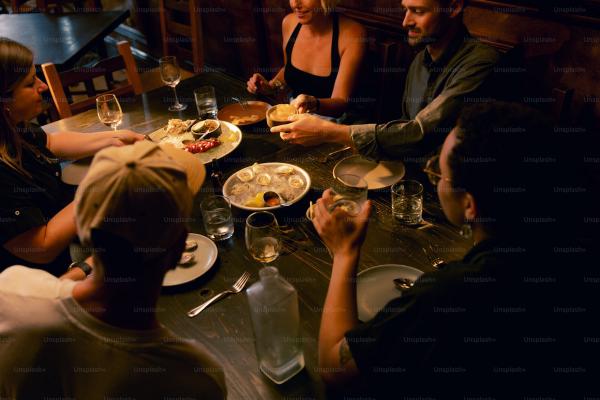
Greek food goes so much deeper than the greatest hits. The cuisine draws on 4,000 years of history, some of the best ingredients in the Mediterranean, and a philosophy that food exists to be shared with people you like — ideally with wine, slowly, and late at night.
The honest answer to “when should I visit Athens?” is: it depends on what kind of trip you want. I’ve been in Athens in August when the marble at the Acropolis felt like a frying pan, and I’ve been in February when I had the Parthenon practically to myself in a light drizzle. Both were great trips — just very different ones.
Here’s the full month-by-month breakdown so you can pick the right time for you.
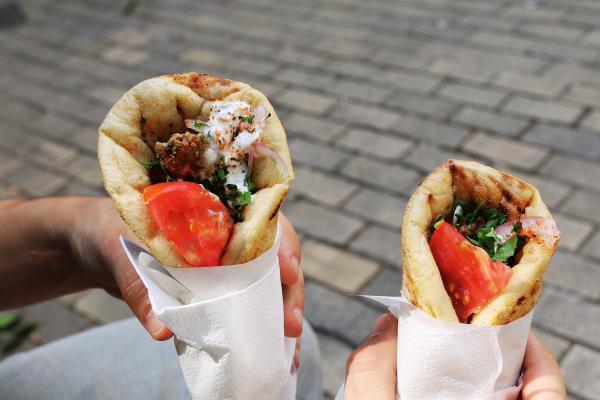
Let me tell you about the first souvlaki I ate in Athens. I was jet-lagged, starving, and wandered into one of those Monastiraki Square restaurants where a guy out front practically dragged me to a table. The souvlaki was… fine. Forgettable. And I paid €7 for it, which is basically robbery by Athens standards.
The next day, a local friend took me to a hole-in-the-wall with three stools, a line out the door, and a pork souvlaki pita that cost €3.50 and genuinely changed how I think about street food. Same city, completely different experience.
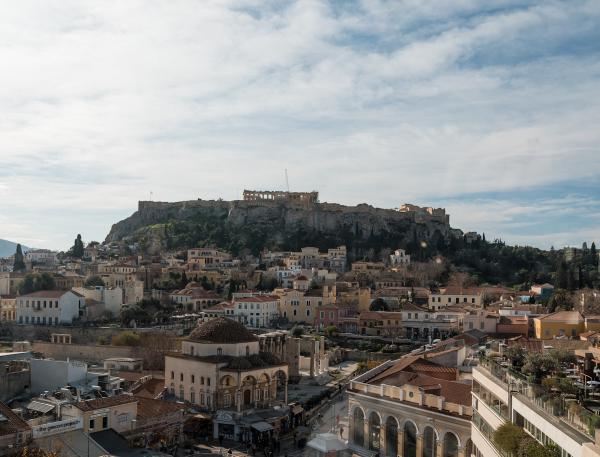
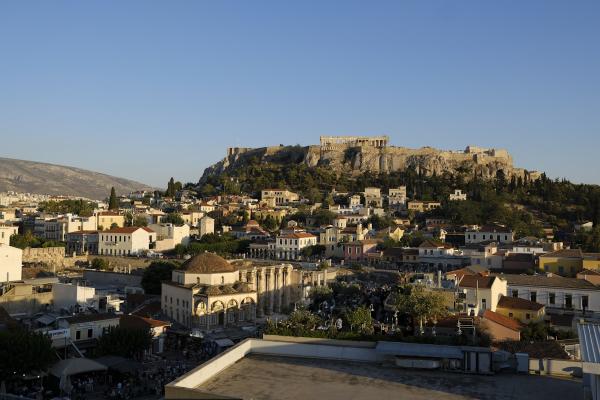
I’ll tell you the moment I fell for Athens: sitting on a rooftop in Monastiraki, drink in hand, watching the Acropolis turn from white to gold to amber as the sun went down. The Parthenon was just… right there, glowing above the city, and I thought: “This might be the best thing I’ve ever done at dinner.”
Rooftop dining is the quintessential Athens experience. Ancient meets modern, a 2,500-year-old temple lit up against a darkening sky, while you eat Greek food and drink wine. Here are the best rooftop restaurants and bars in Athens — from splurge-worthy fine dining to a casual drink with a view.
I’ll be honest with you: eating in Plaka is a minefield. For every genuinely good restaurant, there are three tourist traps serving reheated moussaka at double the price. On my first visit I fell for one — aggressive host, “authentic Greek” menu with photos, mediocre food, and a bill that made me question everything.
But here’s the thing: Plaka also has some truly excellent restaurants. You just have to know where to look. Here are the best restaurants in Plaka — the ones I’d actually take a friend to.
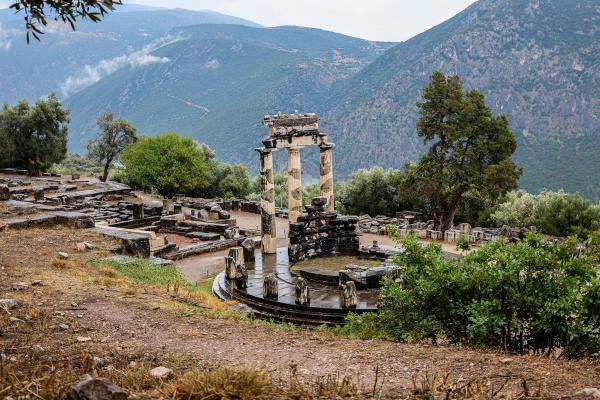
The ancient Greeks believed Delphi was literally the center of the world. According to the myth, Zeus released two eagles from opposite ends of the earth, and they met right here — at the navel of the world, on a mountainside overlooking one of the most beautiful valleys in Greece.
For centuries, kings, generals, and ordinary people traveled here to consult the Oracle of Apollo before making major decisions. Wars were launched — or avoided — based on what the Oracle said. It’s that significant.
Athens is great. I could spend a week here and not get bored. But some of the best things in Greece are just a bus ride or ferry away — and if you don’t venture out at least once, you’re missing a huge part of what makes this country special.
Cliff-top monasteries that look like they belong in a fantasy movie. Ancient sites where oracles once spoke prophecies. Islands where cars are banned and donkeys are the Uber. All of it within day-trip range from Athens.