ℹ️ TL;DR: A rainy day in Athens is the perfect excuse for its world-class museums. Start at the Acropolis Museum (€20, opens 9 AM), have lunch at the covered Central Market, then spend the afternoon at the National Archaeological Museum (€20). Prefer something hands-on? Book a Greek cooking class (about €70-110 with lunch and wine) or a food tour. Finish with a hammam and a slow taverna dinner. Rain in Athens falls mostly November to March and usually lasts under 90 minutes, so keep the Acropolis itself for when the sky clears. Athens is famous for sunshine, and with good reason: the city gets around 2,800 hours of it a year. But between November and March, rain does happen. Usually it’s a dramatic downpour that clears within an hour. Sometimes it settles in for the whole day.
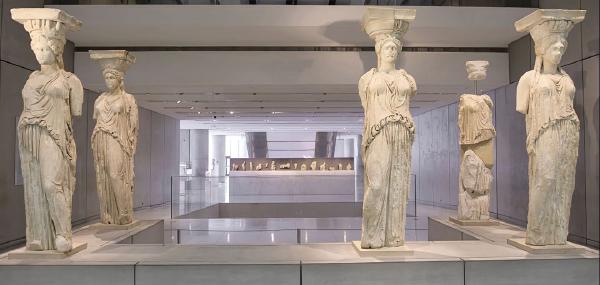
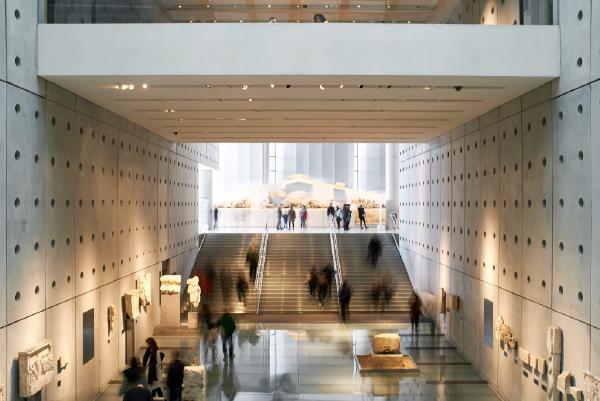
The first time I walked into the Acropolis Museum, I expected the usual museum experience, dimly lit rooms, roped-off displays, lots of squinting at tiny plaques. What I got instead was sunlight pouring through floor-to-ceiling glass, the actual Parthenon framed perfectly through the top-floor windows, and a 2,500-year-old marble girl smiling at me like she knew something I didn’t.
This museum doesn’t feel like a museum. It feels like someone cracked open the Acropolis and let you walk through its history in running shoes and air conditioning.
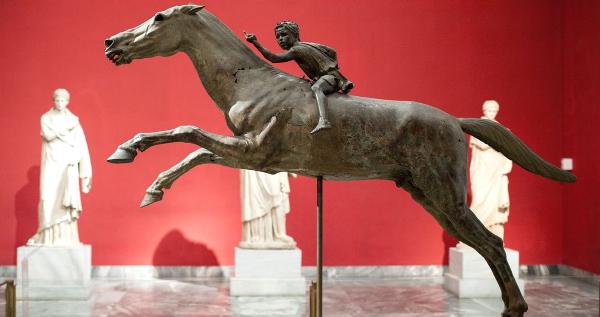
There’s a moment in the National Archaeological Museum when you turn a corner and come face to face with a bronze god hauled from the sea floor, arm cocked, muscles taut, frozen mid-throw for over two thousand years. The Artemision Bronze. It stops you in place. No photo prepares you for the sheer physical presence of it.
This museum doesn’t get the foot traffic of the Acropolis Museum, and honestly, that’s part of its charm. It’s quieter, deeper, and covers a staggering 7,000 years of Greek civilization, from Neolithic clay figurines to Roman portrait busts. If the Acropolis Museum is the greatest-hits album, this is the complete discography, B-sides and all.
ℹ️ TL;DR: The two essential Athens museums in 2026: the Acropolis Museum (€20, 1.5-2 hours) and the National Archaeological Museum (€20, 2-3 hours). Both genuinely world-class. The Benaki Museum (€12, free Thursdays) is the best third option. There is no single city museum pass. Buy individual tickets. Most state museums are free on the first Sunday of each month (November-March). Athens has over 80 museums. Nobody has time for 80 museums. The good news is that about a dozen of them are genuinely excellent, and the rest range from “interesting if you’re into this specific thing” to “why does this exist.”