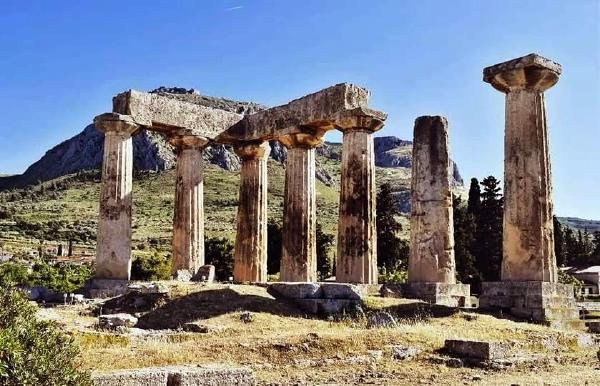
I wasn’t expecting much from Ancient Corinth. Honestly, I’d driven past it twice before on the way to Nafplio and never bothered stopping. “It’s just some Roman columns,” a friend told me. “You’ve already seen the Acropolis — what’s the point?”
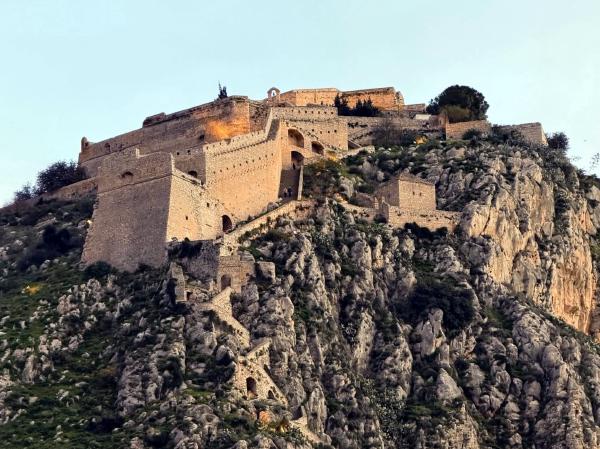
Then I finally pulled over, bought a ticket, walked past the Temple of Apollo, and spent the next four hours wandering through ruins I couldn’t believe I’d been skipping. The agora where St. Paul was dragged before the Roman governor. The underground spring that’s been flowing for 2,600 years. And above it all, Acrocorinth — a fortress so massive it feels like it belongs in a different century on every level.
The first time I walked into Nafplio’s old town, I thought I’d accidentally left Greece and ended up in Italy. Narrow streets lined with bougainvillea, Venetian balconies dripping with iron lacework, a fortress on every hill. Then a yiayia handed me a bag of loukoumades from a corner shop and I remembered exactly where I was.
Nafplio is the town that makes every visitor say, “Wait — why don’t more people know about this?” It was Greece’s first capital, before Athens took the title in 1834, and it still carries itself with quiet confidence. Where Athens is big and loud and ancient, Nafplio is intimate, romantic, and layered — Venetian, Ottoman, and Greek all at once.
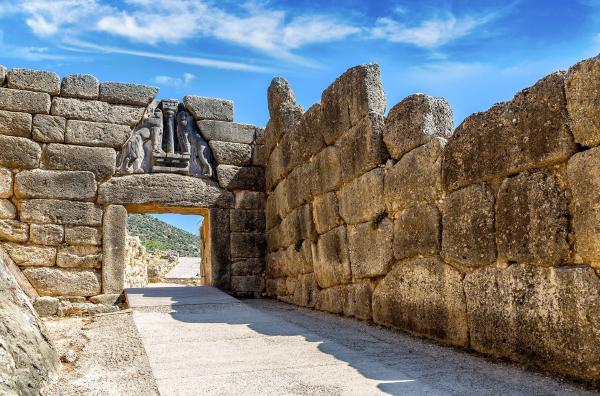
If the Acropolis is where ancient Athens flexed its power, the Peloponnese is where the rest of Greek civilization happened. Mycenae, where Agamemnon ruled before sailing off to Troy. Epidaurus, where a theater built 2,300 years ago has better acoustics than most modern concert halls. Nafplio, a Venetian port town so charming it makes you want to cancel the rest of your trip and just stay.
All of it is 1.5-2 hours from Athens. An easy day trip. And somehow, a lot of visitors skip it entirely — which means fewer crowds and a much more personal experience than the Acropolis on a busy morning.